
SMLS Pipe: Seamless Steel Pipe
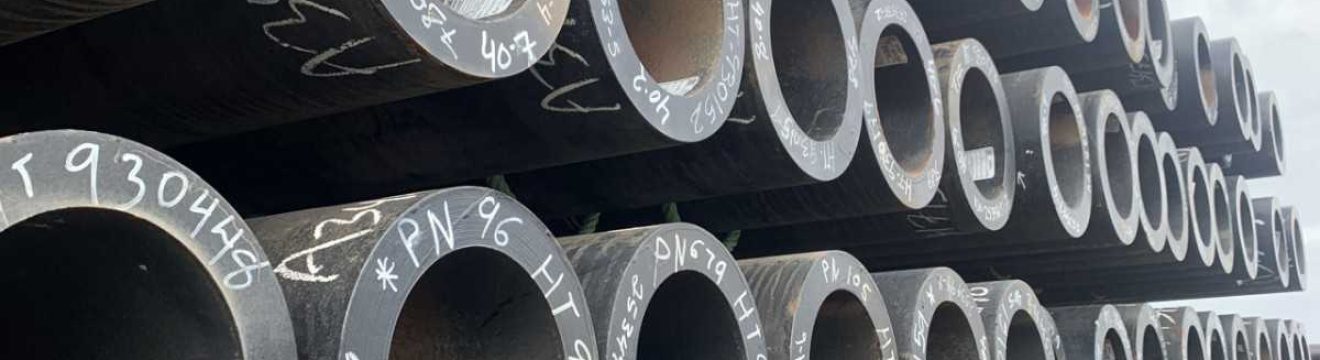
Seamless (SMLS) pipe is manufactured without any longitudinal weld seam. It is produced by heating a solid steel billet and piercing it to form a hollow tube, followed by elongation and wall-reduction processes such as mandrel milling, hot extrusion, or hot pilgering. The result is a completely homogeneous pipe with uniform wall thickness and mechanical properties throughout its entire length.
Key Features and Benefits
- Zero Weld Seam = Zero Weak Points: No longitudinal weld means no risk of weld-related defects, making it the strongest and most reliable pipe type.
- Superior Pressure & Temperature Resistance: Easily withstands extreme internal/external pressures and high temperatures where welded pipes could fail.
- Uniform Structure & Strength: Consistent grain structure and mechanical properties in all directions (excellent for bending, flanging, and critical service).
- Wide Size & Wall Thickness Range: Available from 1/8″ NPS up to 48″ OD (commonly 1/2″–24″) and wall thicknesses from Schedule 10 to XXS (up to several inches thick in large diameters).
- High-Grade Material Capability: Commonly produced in carbon steel (ASTM A106 Gr.B, A53 Gr.B, API 5L Gr.B–X70), alloy steel (P11, P22, P91), stainless (304/304L, 316/316L, Duplex), and nickel alloys.
- Smooth Bore: Perfectly round internal surface with no weld bead—ideal for high-flow, corrosive, or hygienic applications.
Common Applications
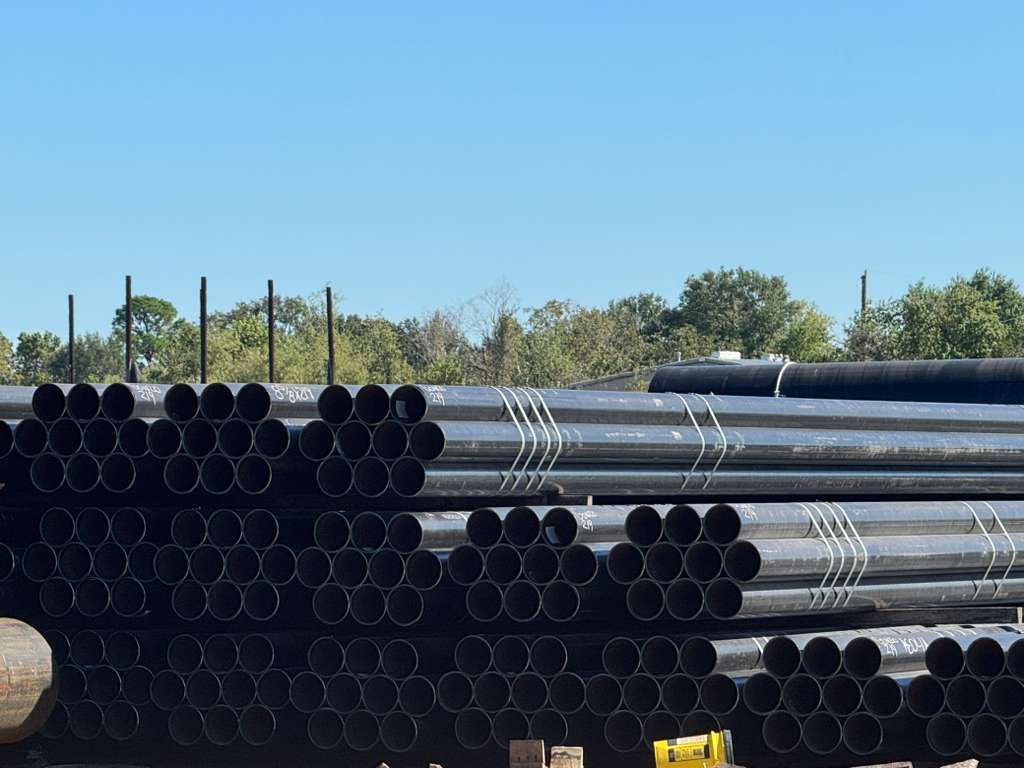
- High-pressure oil & gas transmission lines (onshore and offshore).
- Refinery, petrochemical, and power-generation piping (boiler tubes, superheaters, heat exchangers).
- Subsea flowlines and risers.
- Hydraulic and instrumentation lines.
- High-temperature/pressure steam lines.
- Nuclear and defense applications.
- Any critical service where failure is not an option.
Why Choose Seamless?
When safety, reliability, and performance under extreme conditions are non-negotiable, seamless pipe is the industry standard. While it carries a higher cost than ERW or DSAW, its unmatched strength, pressure rating, and longevity make it the only acceptable choice for the most demanding energy, processing, and infrastructure projects worldwide. Meets or exceeds API 5L, ASTM A106, A335, A312, ASME B36.10M, and other global specifications.
