
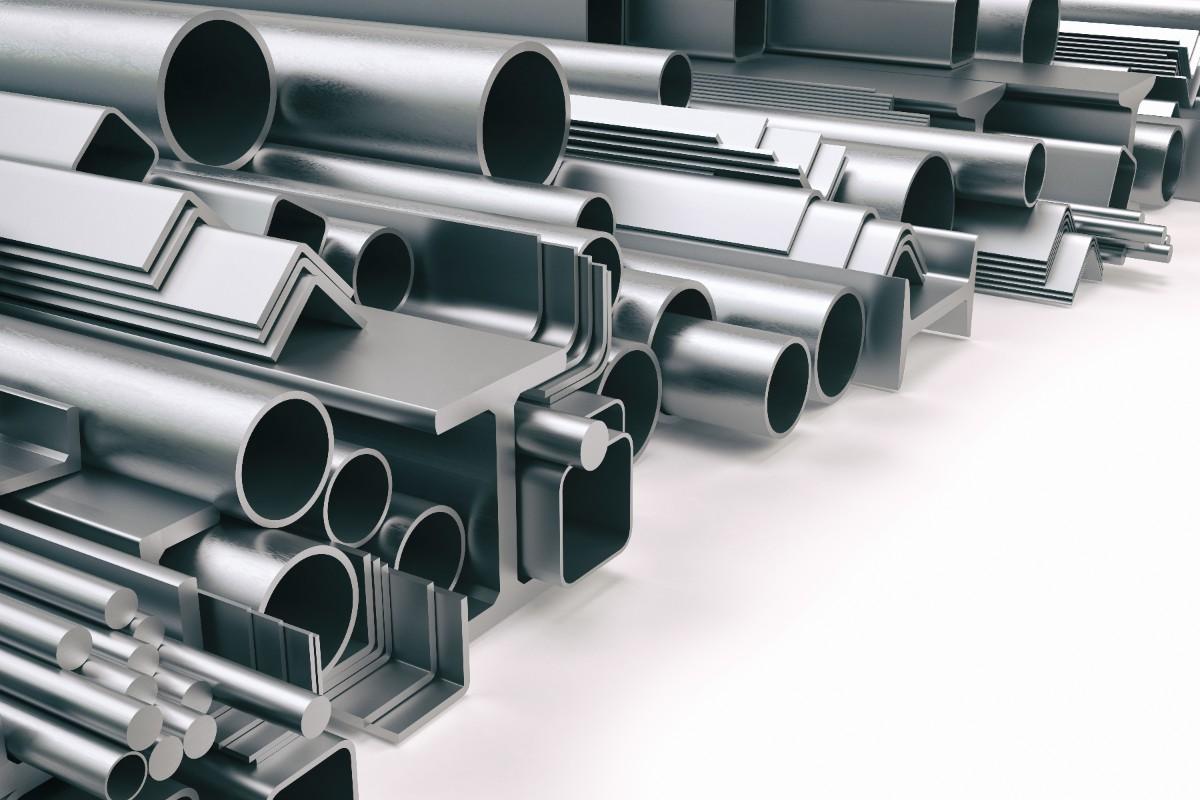
Summary: Steel pipe vs steel tube comes down to sizing and purpose. Pipe is sized by nominal size and schedule, always round, and pressure-rated for carrying gas, water, or process fluid. The tube is sized by actual outside diameter and wall thickness, comes in round, square, or rectangular shapes, and is built for structural or mechanical load, not pressure.
The difference between steel pipes and steel tubes is one of the most commonly confused pairs on a spec sheet. Both are hollow, round metal sections. Both get manufactured through similar processes. But they’re sized differently, rated differently, and built for different jobs. Confuse the two and you can end up with a component that fails under pressure or costs more than the job needs. This guide breaks down exactly where they diverge and how to specify the right one.
The confusion around steel tubing vs steel pipe isn’t accidental. Steel pipe and steel tube start from the same raw materials and often run through the same mills. Visually, a length of round pipe and a length of round tube look nearly identical.
The real distinction lies in how each one is sized, rated, and governed by industry standards, details that don’t show up until you’re reading a spec sheet or placing an order. Getting steel pipe vs steel tube backwards on a purchase order can mean the wrong product arrives, or worse, an unrated product ends up in a pressure application it was never built for.
What Is Steel Pipe?
Steel pipe is a round, hollow section sized by Nominal Pipe Size (NPS) and schedule, with wall thickness tied directly to pressure rating. Pipe dimensions follow ASME B36.10M, which standardizes outside diameter and wall thickness combinations across the industry so a 6″ Schedule 40 pipe from one supplier matches the dimensions of a 6″ Schedule 40 pipe from another.
Key Characteristics Of Steel Pipe:
Steel pipe follows a consistent set of rules across every manufacturer, which is what makes it interchangeable and reliable for pressure service:
- Sized by NPS and schedule, not actual measured dimensions
- Always round, no square or rectangular pipe exists
- Pressure- and flow-rated by design
- Governed by ASME B36.10M for dimensions
- Common grades: ASTM A106, ASTM A53, API 5L
Where Steel Pipe Gets Used:
That pressure rating and standardized sizing is why steel pipe shows up anywhere gas, water, or process fluid needs to move safely under pressure:
- Oil and gas transmission and gathering lines
- Water and wastewater conveyance
- Process piping in refineries and petrochemical plants
- Steam and high-pressure, high-temperature service lines
This is the exact product category B&W Pipe supplies API 5L line pipe and ASTM-grade carbon steel pipe built for gas gathering, water distribution, and industrial pressure service.
What Is a Steel Tube?
Steel tube is sized by actual outside diameter (OD) and wall thickness, measured in decimal inches rather than nominal sizing. Unlike pipe, tube isn’t limited to round cross-sections; it’s manufactured in round, square, and rectangular profiles, since it’s built for structural and mechanical purposes rather than fluid transport. Tube typically holds tighter dimensional tolerances than pipe, which matters when it’s being welded into a frame or machined into a component.
Key Characteristics Of Steel Tube:
Steel tube follows a different set of rules built around structural and mechanical precision rather than pressure service:
- Sized by actual OD and wall thickness, in decimal inches
- Available round, square, or rectangular
- Rated for structural or mechanical load, not pressure
- Common standards: ASTM A500, ASTM A513
- Tighter dimensional tolerances than pipe
Where Steel Tube Gets Used:
That same structural precision is why tube shows up in applications built to hold shape and load rather than carry pressurized flow:
- Structural framing and support beams
- Machinery components and equipment frames
- Fencing, railing, and automotive parts
- Furniture and architectural fabrication
Steel Pipe vs Steel Tube: Key Differences
With both products defined individually, the real value comes from seeing them side by side. Here’s how the difference between steel pipes and steel tubes breaks down across the factors that actually matter when specifying one over the other:
| Factor | Steel Pipe | Steel Tube |
|---|---|---|
| Sizing Method | NPS + Schedule (Nominal) | Actual OD + Wall Thickness (Decimal) |
| Shape | Round only | Round, square, or rectangular |
| Rating Basis | Pressure and flow rated | Structural/mechanical rated |
| Tolerances | Standard, wider | Tighter dimensional control |
| Governing Standards | ASME B36.10M, API 5L, ASTM A106/A53 | ASTM A500, ASTM A513 |
| Typical Use | Transporting gas, water, or process fluid | Load-bearing structure or equipment |
How to Tell Which One You Need
The decision usually comes down to one question: is the product going to carry pressurized fluid or gas, or is it going to bear a structural or mechanical load? If it’s carrying pressurized media, gas gathering lines, water mains, process piping, the answer is pipe, sized and rated to a pressure standard. If it’s holding up a structure or forming a machine frame with no pressure requirement, tube is the right call. Anyone weighing steel tubing vs steel pipe for a new project should start with that load-vs-flow question before looking at size charts.
Common Mistakes When Specifying Steel Pipe vs Steel Tube
Even experienced buyers mix these up on a purchase order. Here are the three mistakes that cause the most trouble on the pipe vs. tube spec sheet:
-
Treating NPS as an actual dimension
A 4″ NPS pipe has an actual outside diameter of 4.5″, not 4″. Ordering the tube, using the pipe’s nominal sizing convention or vice versa, leads to a part that doesn’t fit.
-
Substituting tube in a pressure application
The tube isn’t manufactured or certified to a pressure standard. Using it in a gas or water line skips the pressure rating the application actually requires.
-
Confusing “schedule” with “gauge.”
Pipe wall thickness is described by schedule number. Tube wall thickness on thinner-wall products is sometimes described by gauge. Mixing the two terms on a spec sheet is a fast way to order the wrong wall thickness.
Getting the difference between steel pipes and steel tubes wrong on paper is an easy way to end up with the wrong material on the job site.
How B&W Pipe Supplies the Steel Pipe You Need
When your project calls for steel pipe, not tube, you want a supplier that lives and breathes pipe, not one that treats it as a side offering. B&W Pipe is a Houston-based carbon steel pipe distributor built entirely around the pipe side of this comparison: ERW/HFW, DSAW, SMLS, and rolled & welded pipe, stocked and ready for gas gathering, water distribution, and industrial pressure service.
Every piece ships with mill test report (MTR) certification, so you get documented, verifiable quality on every order, no guesswork, no delays chasing down paperwork. That singular focus is what sets B&W apart. Rather than spreading inventory thin across pipe and tube, B&W concentrates entirely on getting you the right pipe, in the right grade and schedule, including the hard-to-find sizes many distributors simply don’t stock.
When your application demands pressure-rated performance and dependable turnaround, that’s exactly the kind of specialization worth having on your side.
Frequently Asked Questions
Q.1 steel pipe vs steel tube, which one is stronger?
Neither is inherently stronger, they’re engineered for different loads. Pipe is rated for internal pressure; tube is rated for structural and mechanical load. Comparing “strength” only makes sense within the same category.
Q.2 Can steel tubes replace steel pipe for gas or water lines?
No. The tube isn’t manufactured or certified to a pressure-piping standard, so it shouldn’t be substituted into a pressurized gas or water application regardless of wall thickness.
Q.3 Why is steel pipe sized differently than tube?
Pipe uses nominal sizing (NPS + schedule) so that pressure ratings stay standardized across suppliers. The tube uses actual OD and wall thickness because it’s fabricated to exact structural or mechanical dimensions. When you order from B&W Pipe’s stock list, every size and schedule is verified against this nominal standard before it ships.
Q.4 Does B&W supply steel tubes as well as steel pipe?
No , B&W Pipe specializes exclusively in carbon steel pipe: ERW/HFW, DSAW, SMLS, and rolled & welded, built for gas gathering, water distribution, and pressure service. That focus is what allows deep inventory in niche and hard-to-find pipe sizes and grades.
Q.5 What grades and sizes of steel pipe does B&W Pipe carry?
B&W Pipe stocks API 5L and ASTM A106/A53-grade carbon steel pipe across a wide range of sizes, including hard-to-find diameters and wall thicknesses. Every order ships with mill test report (MTR) certification, so the grade and specification are documented before the pipe leaves the yard.

Patrick Boatright is the President of B&W Pipe Inc., a leading supplier of carbon steel and API line pipe solutions serving the energy, utility, and infrastructure industries across the United States. A graduate of Southwestern University, Patrick brings decades of experience in the pipe and steel industry and has built a reputation for reliability, product knowledge, and delivering high-quality pipe solutions for projects of all sizes. Under his leadership, B&W Pipe has become known for its extensive inventory, hard-to-find products, and commitment to customer service. Patrick specializes in API 5L line pipe, structural pipe, and custom sourcing solutions tailored to the demands of the oil, gas, waterworks, and industrial sectors.